
WIESSER CNC BLOG
Practical articles for engineers and workshop managers in the field — lathe, 5-axis, ballbar, spindle, and CAM.
Go to articles →
Blog
CNC Lathe, vertical machining center, 5-axis, bridge type, ballbar calibration, spindle, and CAM. Practical field notes aimed at engineers and shop foremen searching for information. 21 articles — constantly updated.
A CNC Lathe machines rotational parts such as shafts, spindles, flanges, and gears. The right selection starts with the diameter-to-length ratio, torque requirement, and live tooling needs.
A CNC Vertical Machining Center is the right choice for prismatic parts, mold surfaces, and hole-slot operations. Select the table, stroke, and spindle type according to the part.
For large molds and heavy body parts, a bridge type (portal/gantry) CNC machining center offers table area and rigidity advantages.
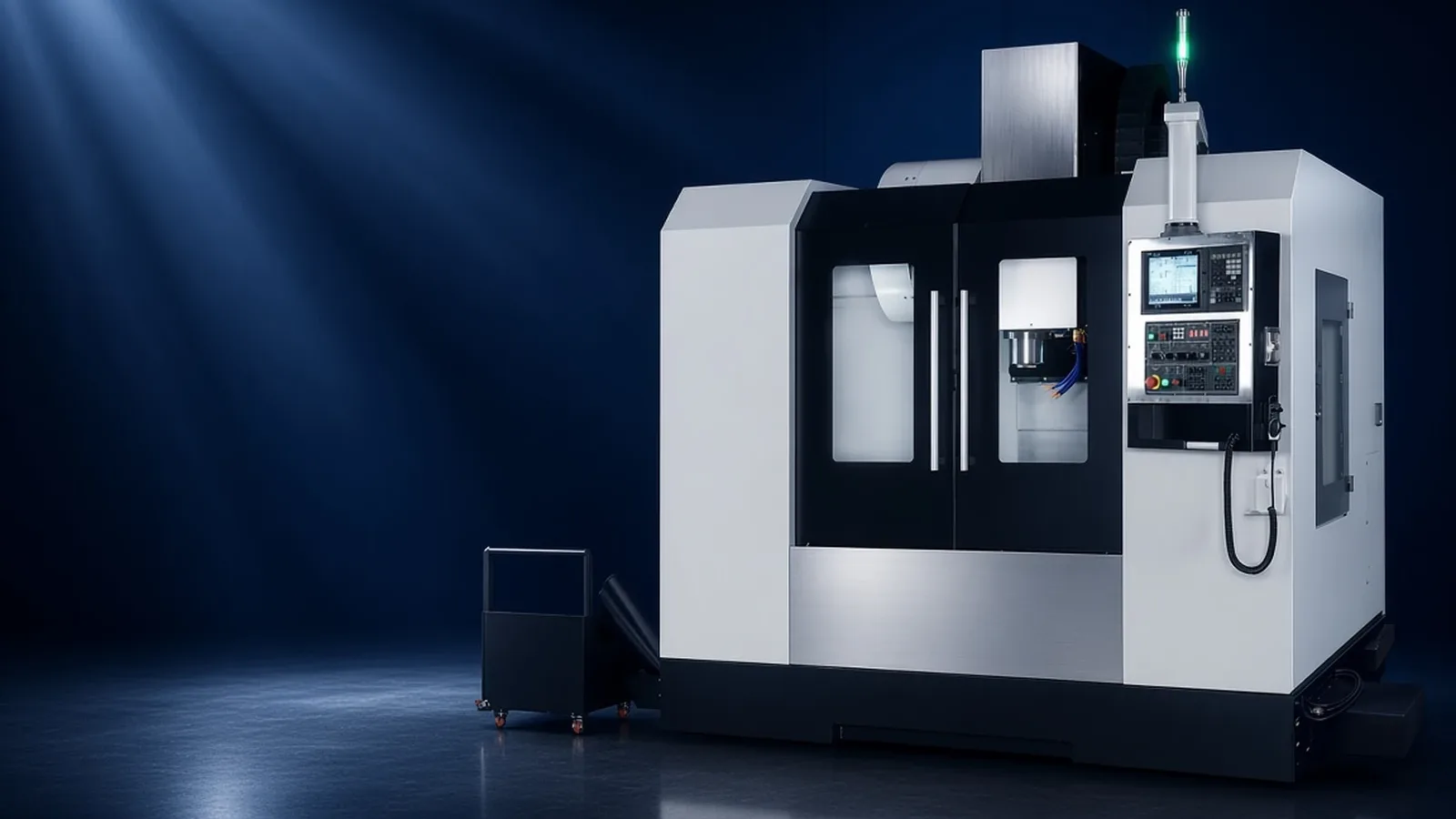
The right CNC machine is determined by the workpiece, tolerance, clamping, and monthly quantity before the model name. This guide is a pre-investment checklist.
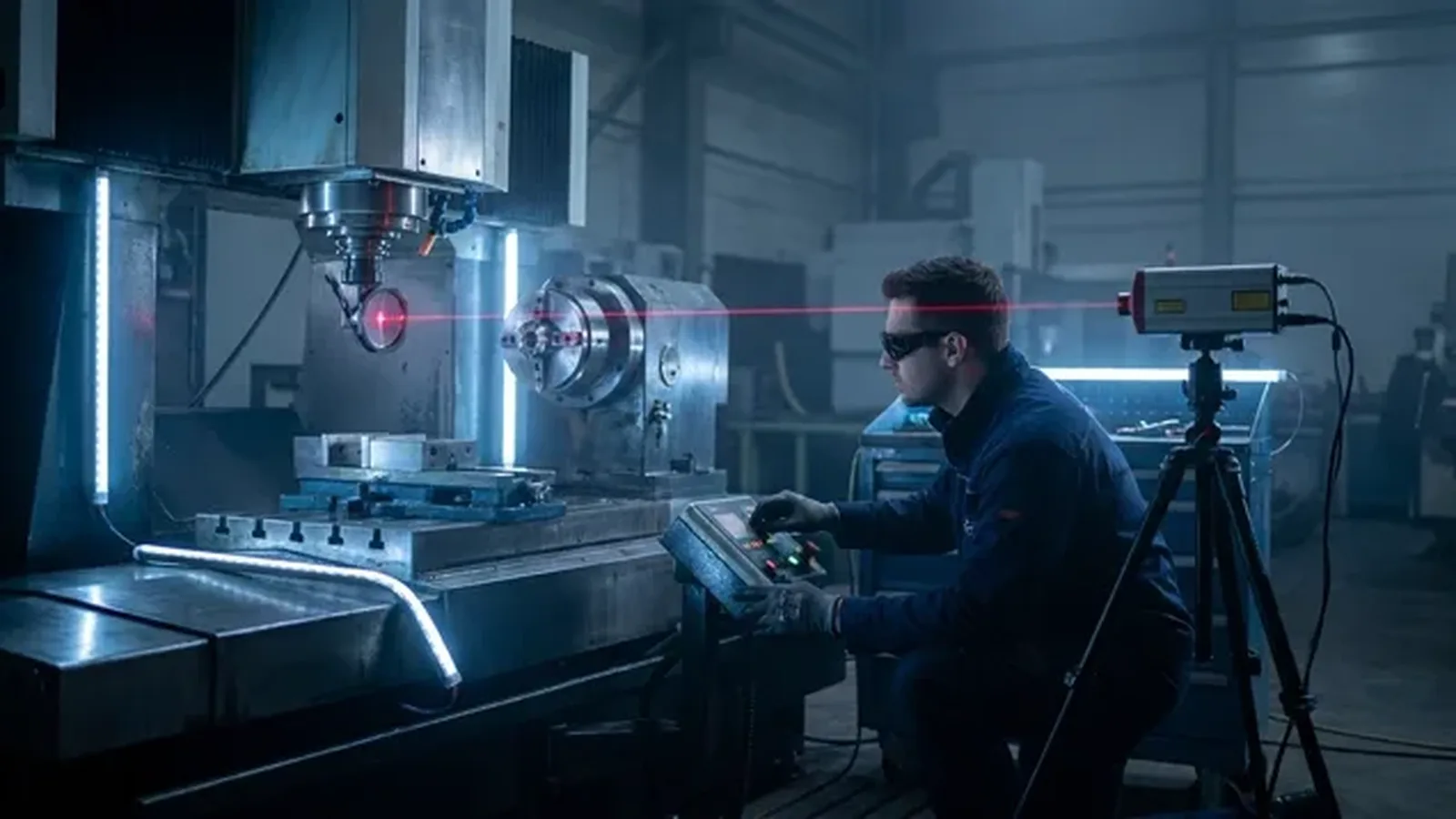
Ballbar calibration quickly measures the circular interpolation errors of the CNC machine. It shows backlash and squareness deviation without waiting for scrap.
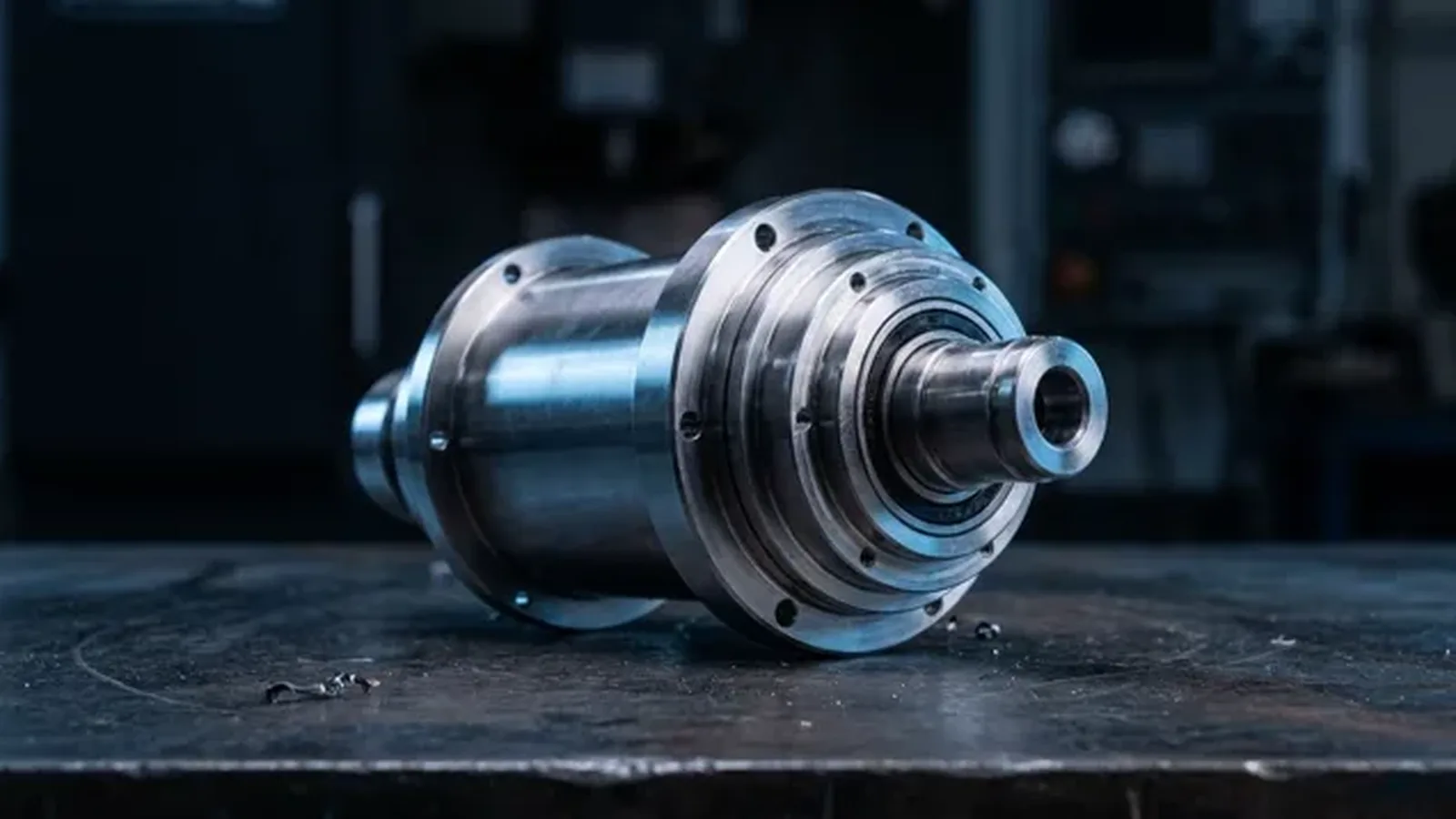
When the spindle fails, surface finish and dimensions deteriorate, and tool life decreases. First, the tool and holder are checked, then the spindle.

The control unit is not just a screen; CAM post, operator habit, and spare parts network determine the life of the investment.
For large diameter, short length parts, a horizontal lathe struggles in terms of clamping and chips. A CNC vertical lathe is designed for these jobs.

In aerospace, an out-of-tolerance part is scrap. Single setup, thermal stability, and a traceable process determine machine selection.
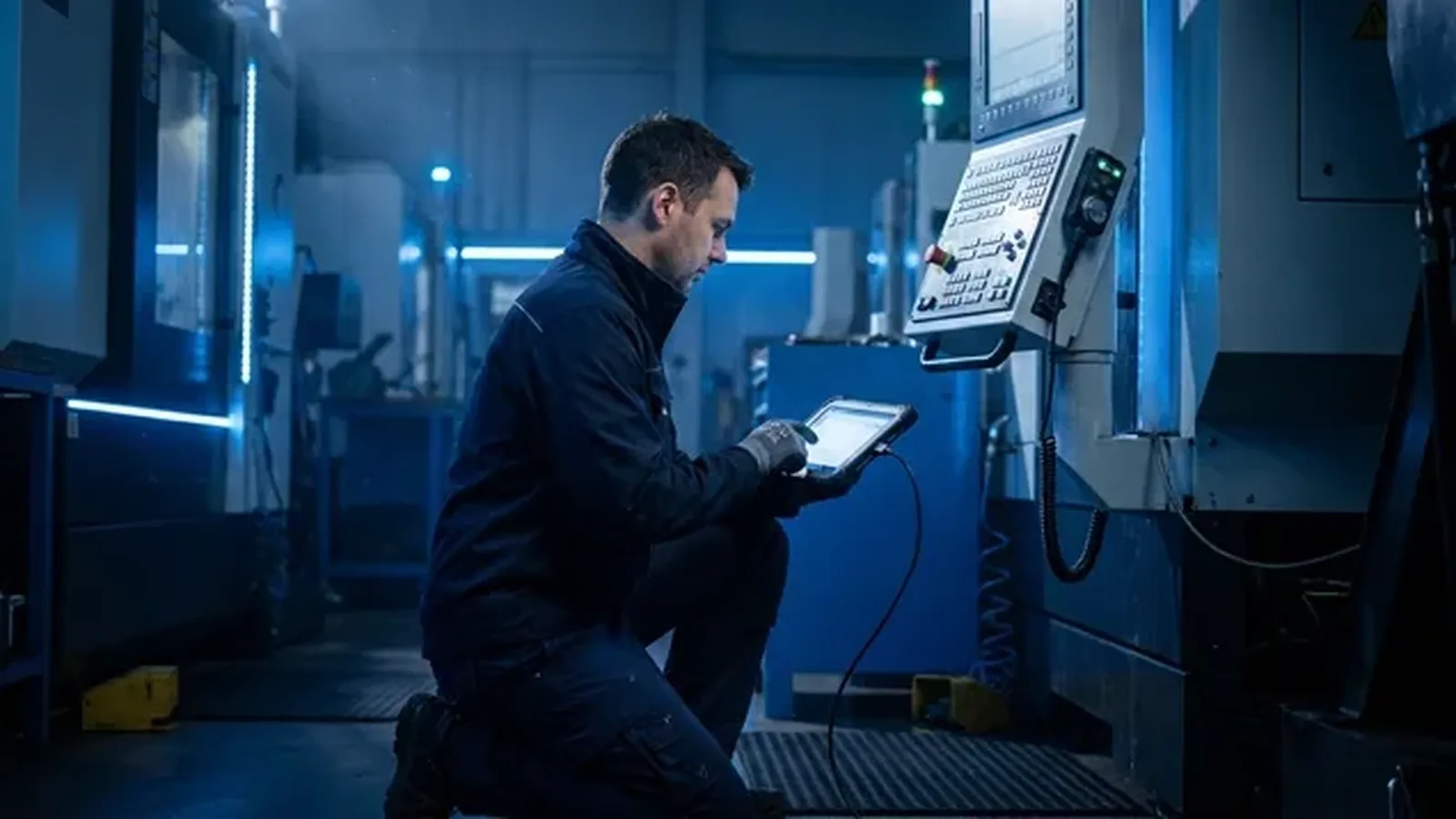
A short CNC maintenance checklist catches major faults early.
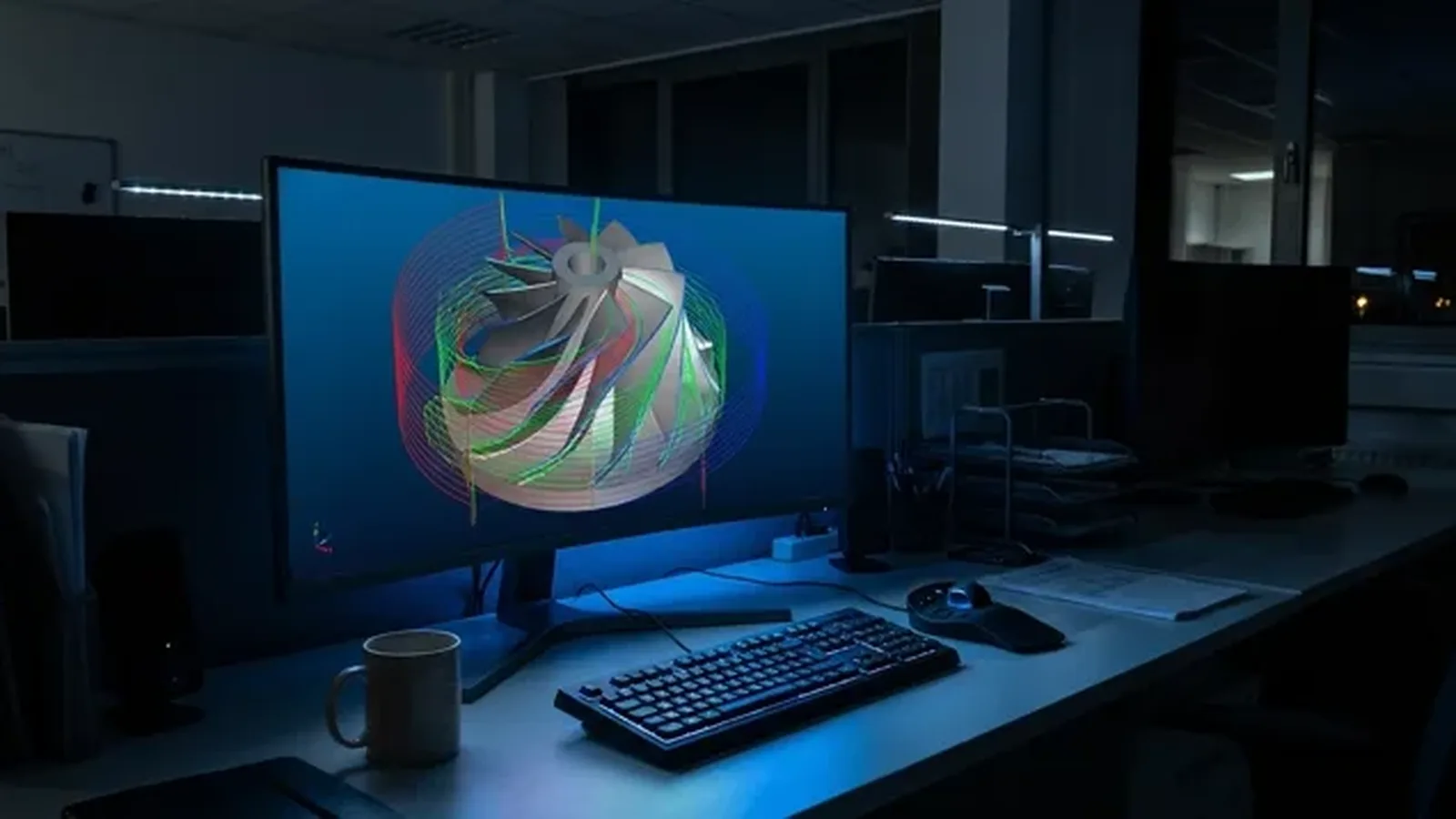
On the same CNC machine, cycle time is often hidden in the CAM and clamping setup. Idle movements and incorrect tool paths eat up time.
For mass production parts with heavy drilling and tapping but little milling, a tapping center offers faster cycles than a general-purpose vertical machining center.
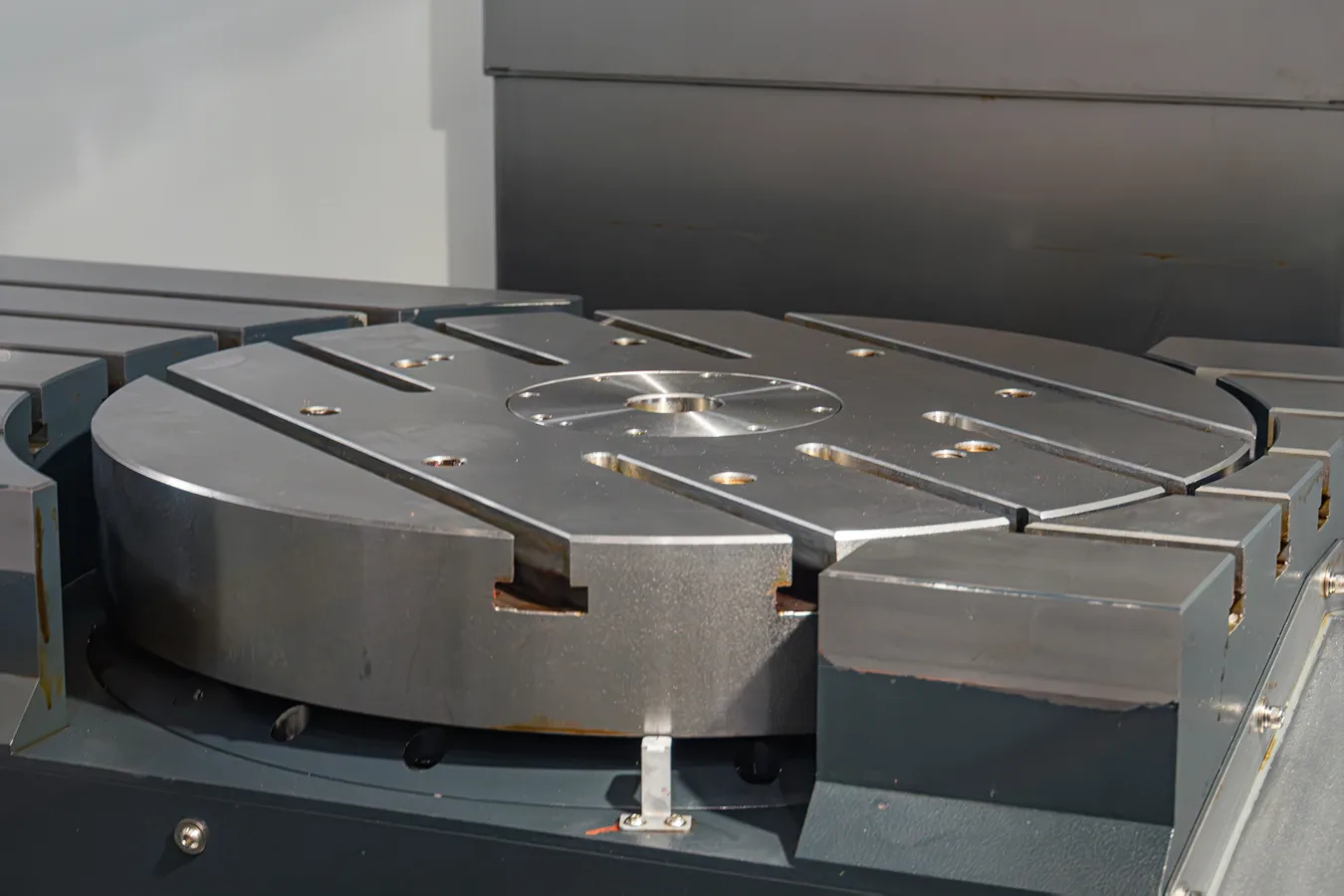
Kinematic rigidity, peripheral hole drilling, and angled surface milling. The difference with the fourth axis.
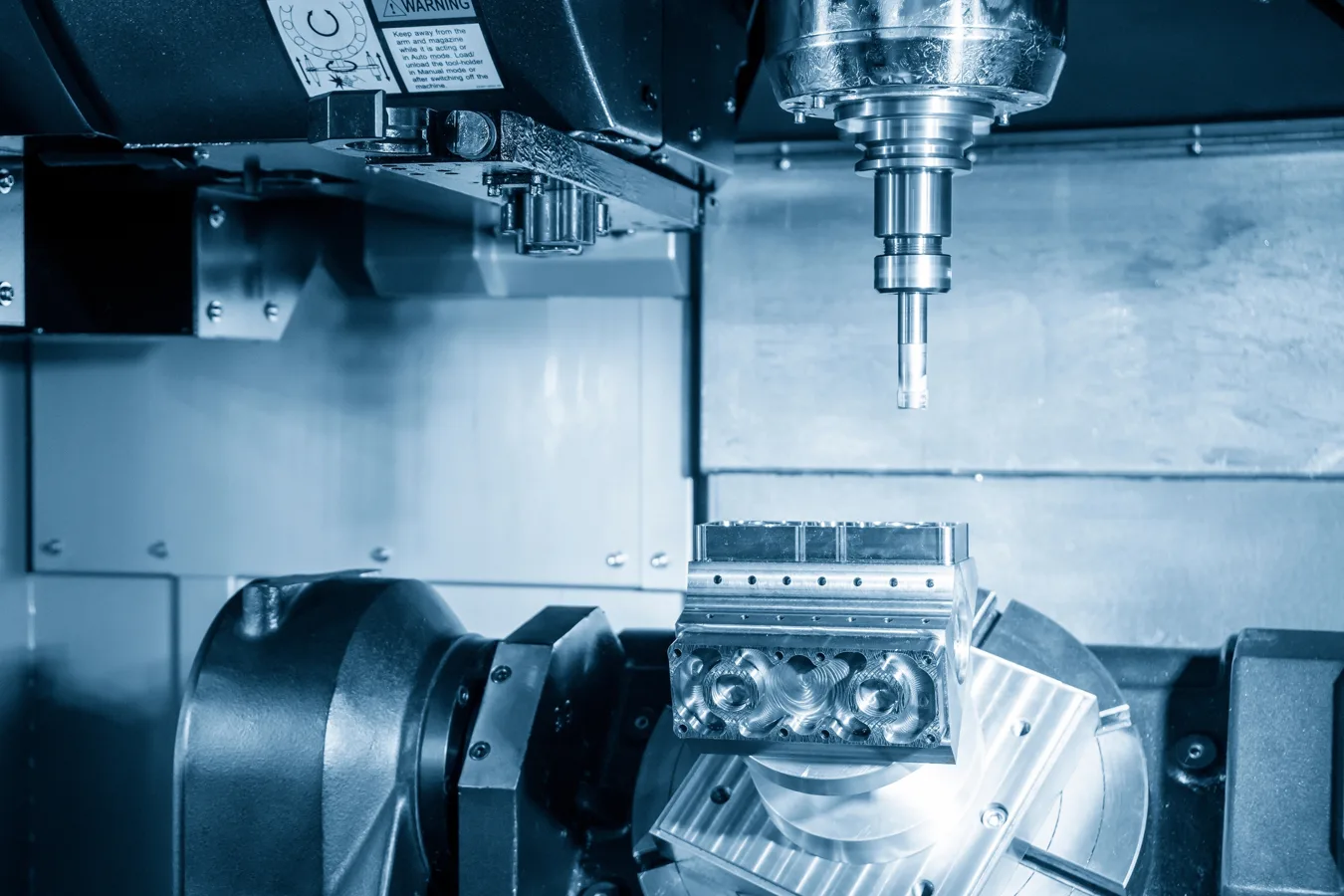
Multi-face machining in a single setup, angled surfaces, and complex geometries.
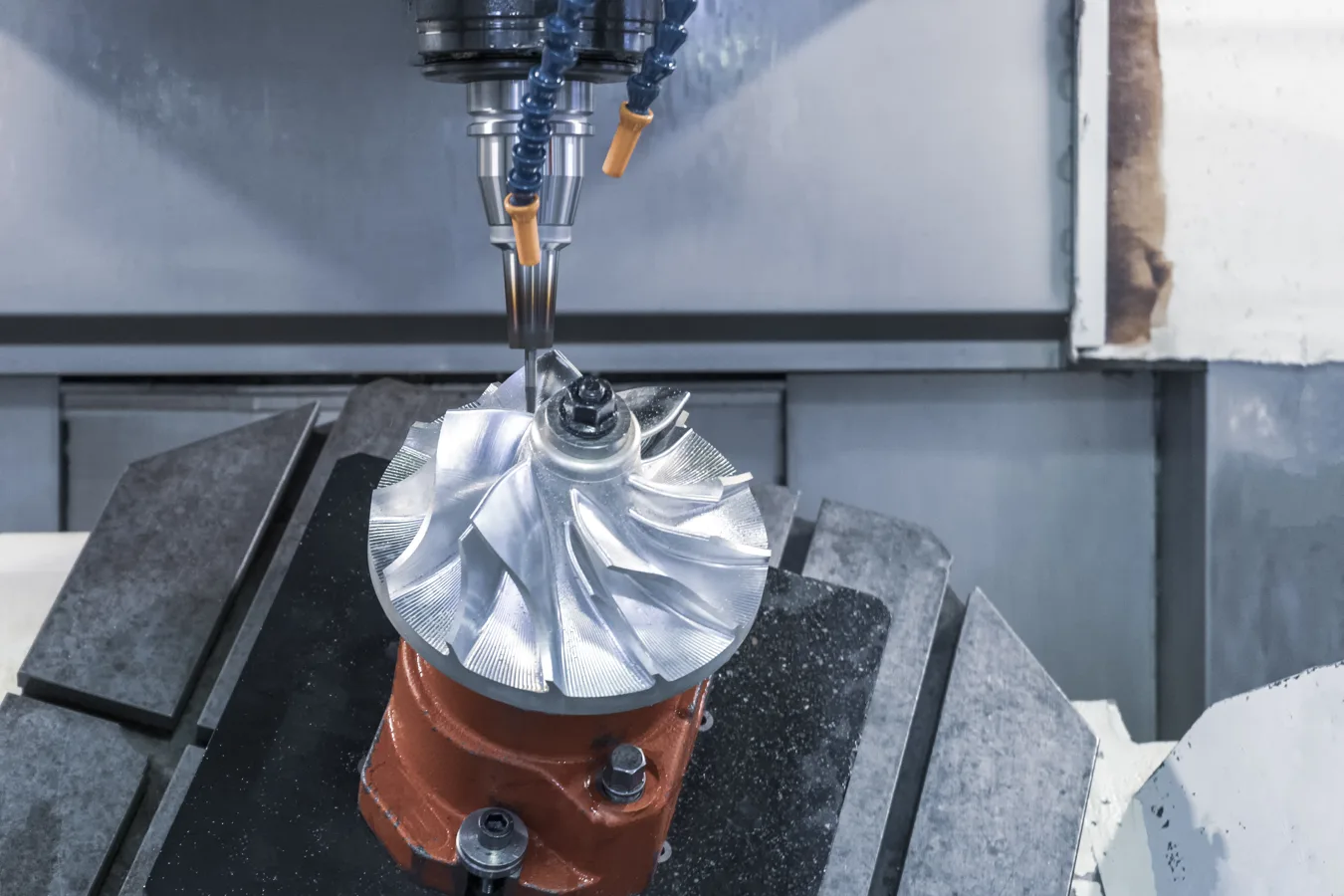
If the angle deviates while RTCP is on, check the rotary axis center.
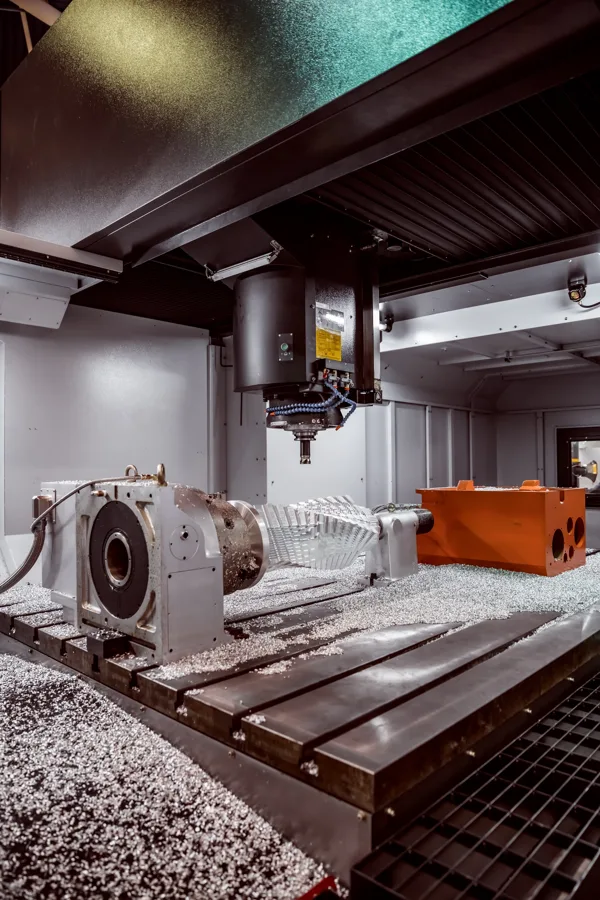
What is CNC, what do positioning accuracy and repeatability mean in the workshop.
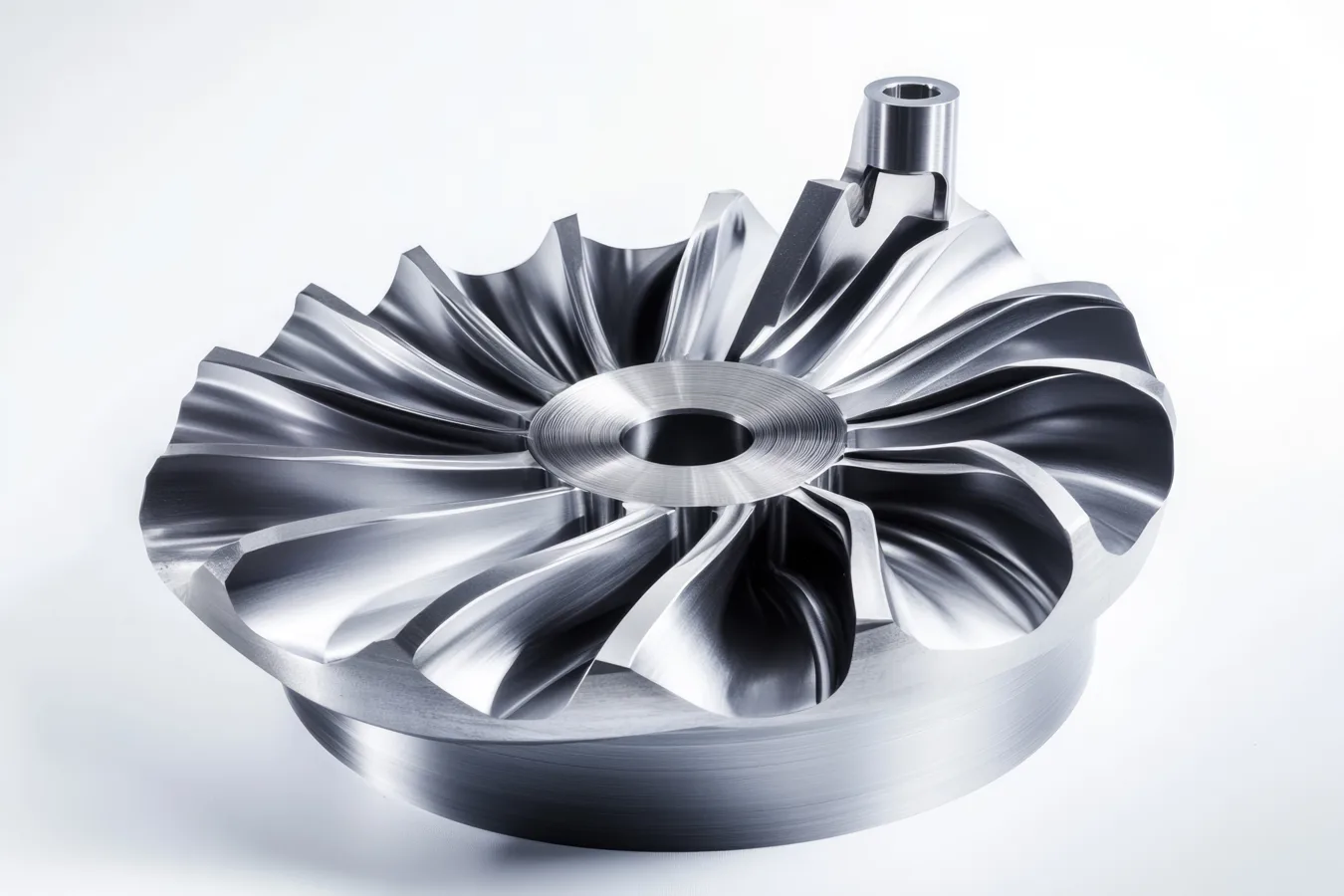
Body design that dampens thermal deformation and tool chatter.
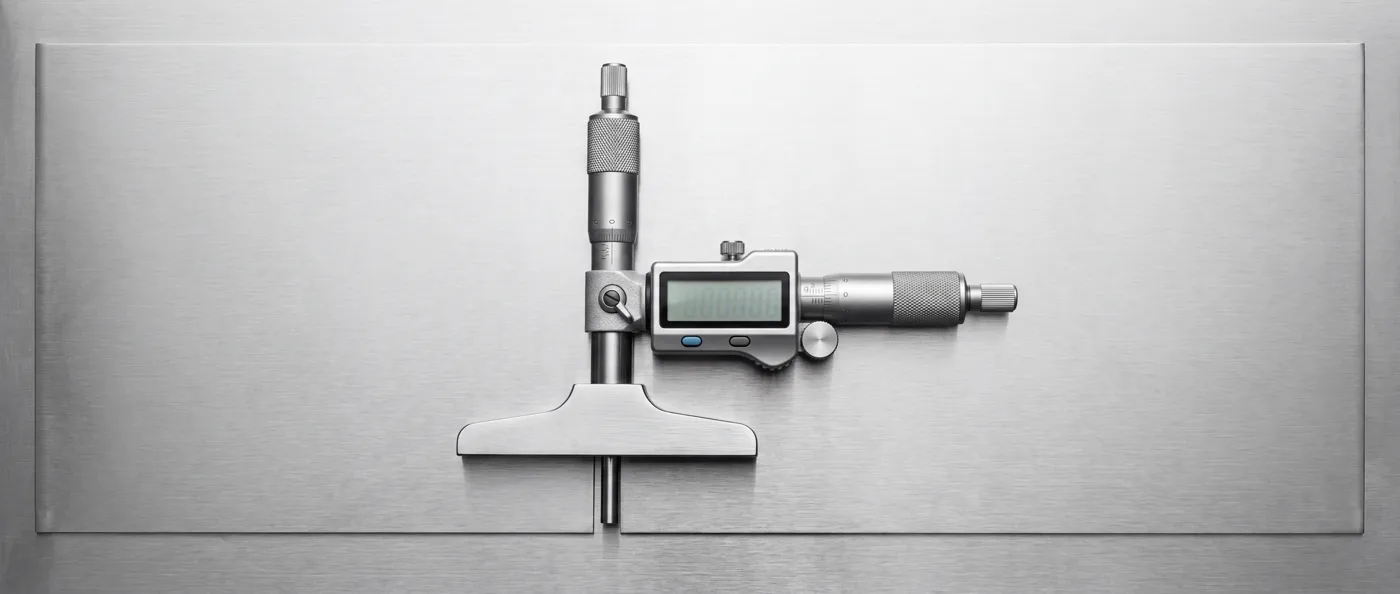
An optical scale reads the position from the table even if the ball screw expands.

Balance of surface quality and cycle time with HSM strategies.
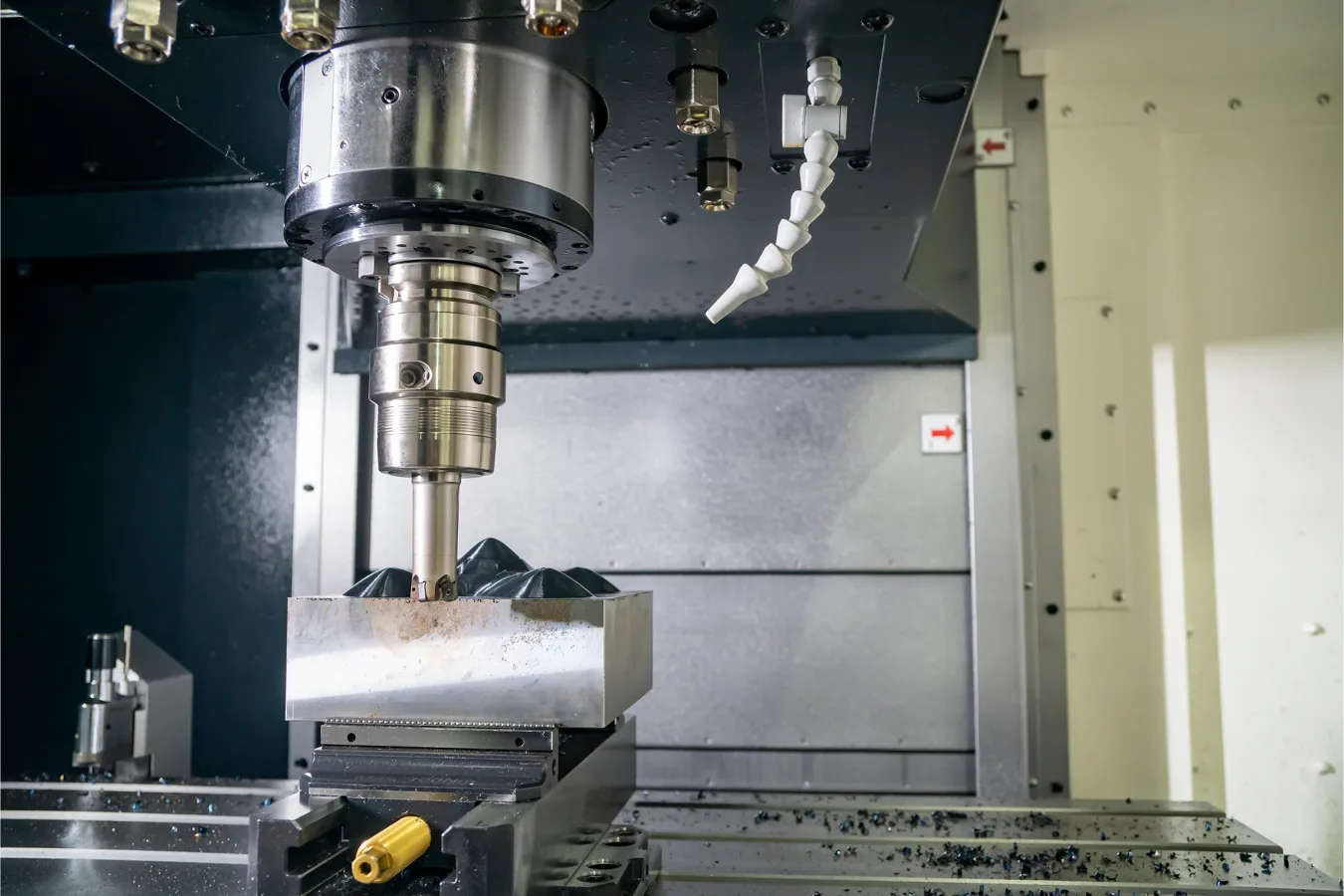
CNC machine that removes material with a rotary cutting tool. Types and differences.
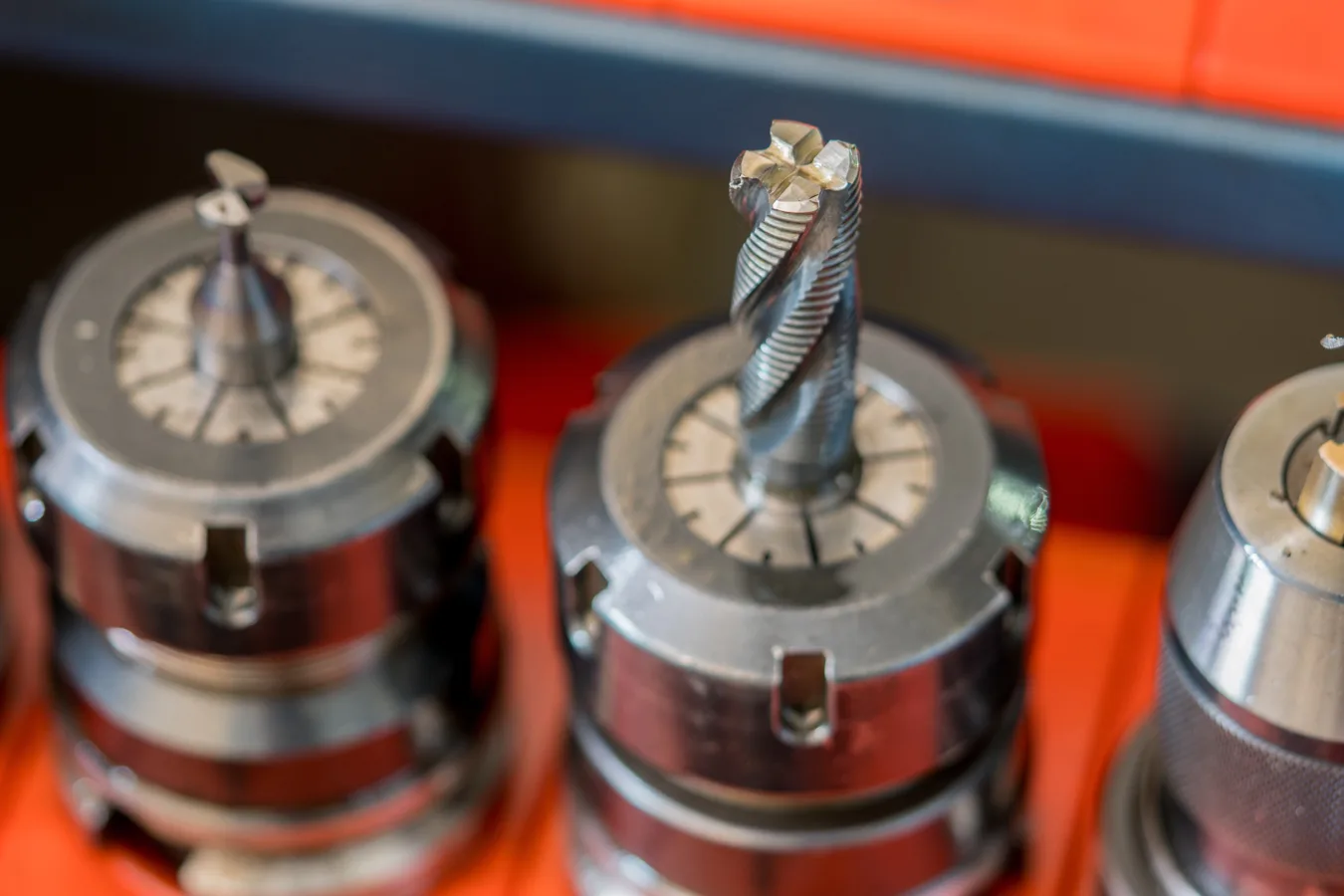
Coating, geometry, speed, and feed. Parameters that extend tool life.
Quote
Send the material, tolerance, and monthly production quantity; our technical team will get back to you.